RACH Profiles

People building what comes next.

One person. One life story. A daily pursuit.

RACH stands for Recognizing the Achievements and Contributions to Humanity. Through RACH Profiles, we explain what each person contributed, who helped make it possible, why the work matters, and what remains unfinished.

RACH Profiles explores the people shaping artificial intelligence, technology, construction, and the science of longer, healthier lives. We begin with admiration, then follow the evidence—through formative experiences, pivotal choices, setbacks, collaborators, measurable impact, criticism, and the work still unfinished.

Artificial Intelligence Technology Construction Longevity

The profiles

A life is more than a résumé.

Every feature includes a rights-cleared profile picture, a visible reason for recognition, a reporting cutoff, a source record, and a clear distinction between demonstrated results and future ambition.

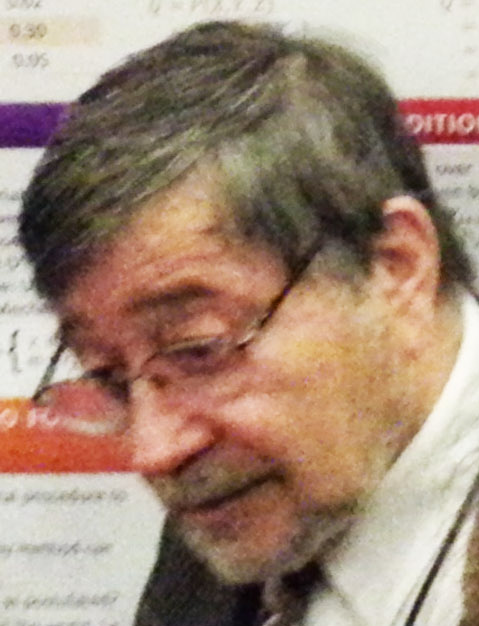
Judea Pearl at NIPS 2013, photographed by Better Than Bacon

Photo: Better Than Bacon (https://www.flickr.com/people/39057810@N00/) / Wikimedia Commons — CC BY 2.0. Existing lossless crop by Jochen Burghardt (2020). RACH retains the cropped file bytes; CSS sizing, display cropping and mild desaturation only.

Artificial Intelligence · Published October 15, 2026

Judea Pearl

From computer memories and scientific setbacks to Bayesian networks, causal reasoning and a family’s public work after loss: a life of questions that prediction alone cannot answer.

Why RACH recognizes Judea Pearl

For foundational work in probabilistic and causal reasoning that helps researchers distinguish prediction, intervention and counterfactual questions.
Read the full profile
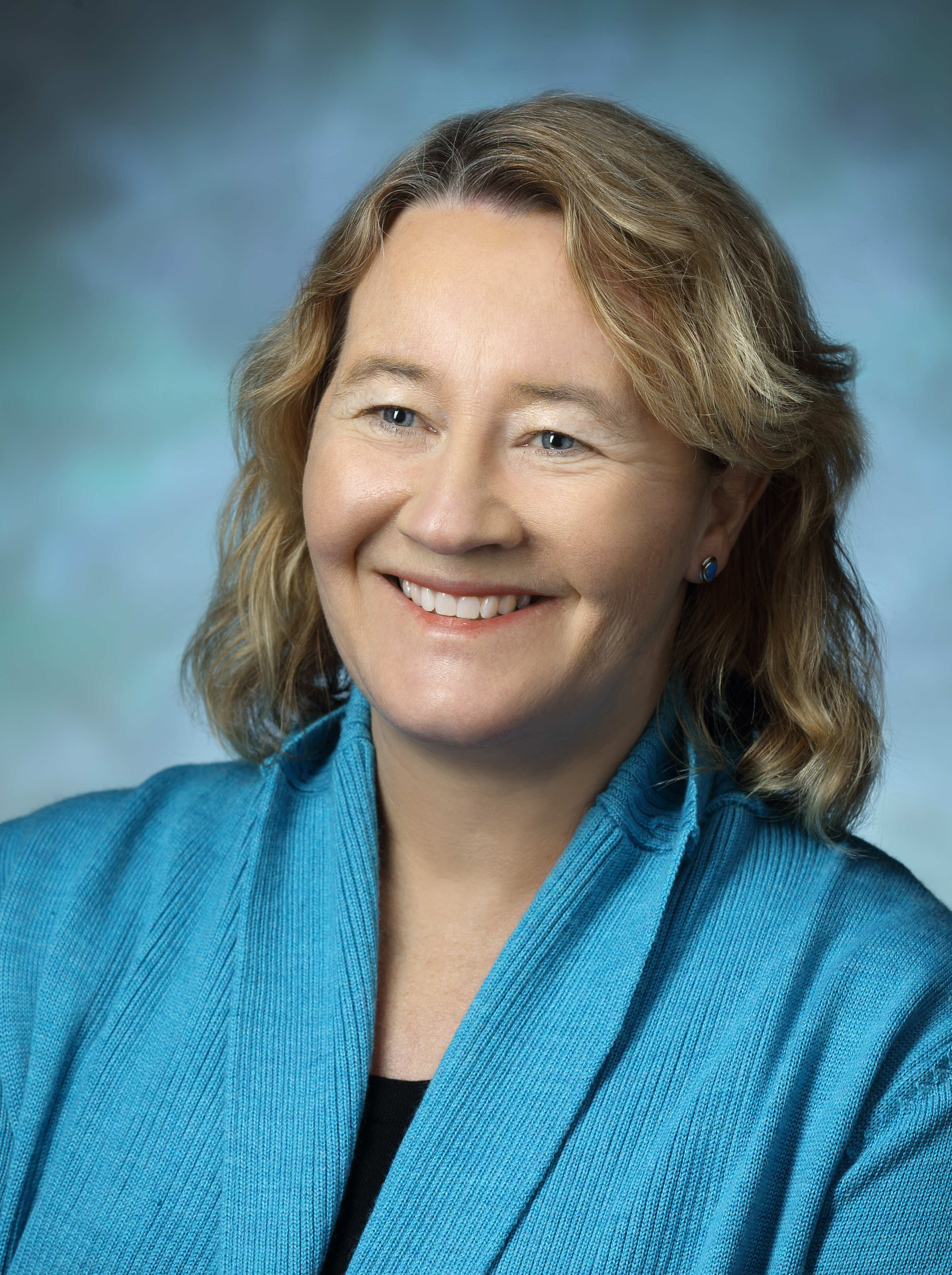
Carol Greider, photographed by Keith Weller in 2014

Photo: Keith Weller/Johns Hopkins University School of Medicine (photo submitted by Carol.w.greider) / Wikimedia Commons — CC BY-SA 4.0. Existing lossless crop by Adam Cuerden (2016); RACH retains those file bytes, with CSS sizing, display cropping and mild desaturation only. Display adaptations share the same CC BY-SA 4.0 license.

Longevity and Biotechnology · Published October 13, 2026

Carol Greider

From a childhood ill-described by conventional tests to the discovery of telomerase, inherited-disease research and a new way to examine chromosome ends: a scientific life built through experiments, setbacks and shared work.

Why RACH recognizes Carol Greider

For helping discover telomerase and connecting chromosome-end biology with inherited disease and targeted clinical decisions through shared experimental and medical research.

Read the full profile
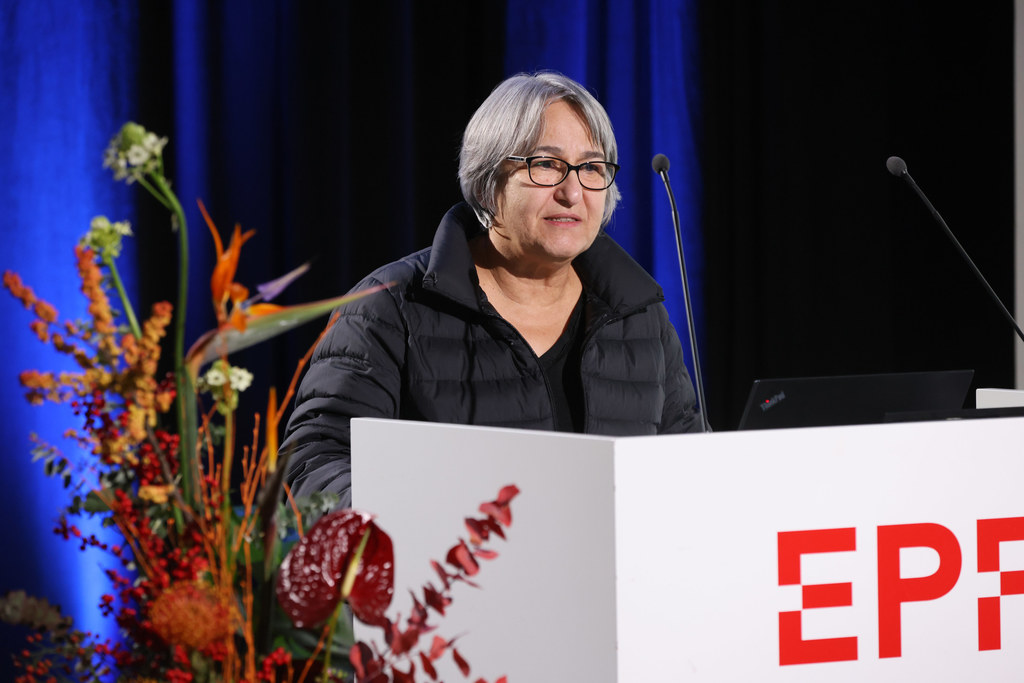
Anne Lacaton at EPFL in 2022, photographed by Alain Herzog

Photo: Alain Herzog / EPFL (Mediacom EPFL) / Wikimedia Commons — CC BY-SA 4.0. Original file unchanged; CSS sizing, mild desaturation and display cropping only. Display adaptations share the same CC BY-SA 4.0 license.

Construction and the Built Environment · Published October 10, 2026

Anne Lacaton

From Dordogne and early experiments with greenhouse construction to occupied housing transformations: a life spent asking how buildings can give people more without taking their place away.

Why RACH recognizes Anne Lacaton

For helping demonstrate how existing housing can gain space, light and useful life while respecting residents, through shared design work that challenges demolition as the default.

Read the full profile
Barbara Liskov photographed by Kenneth C. Zirkel, May 29, 2010

Photo: Kenneth C. Zirkel (Kzirkel) / Wikimedia Commons — CC BY-SA 3.0. Original file unchanged; CSS sizing, mild desaturation and display cropping only. Display adaptations share the same CC BY-SA 3.0 license.

Technology · Published October 7, 2026

Barbara Liskov

From an unexpected programming job to data abstraction and fault-tolerant systems: a life spent making complicated software easier to reason about, with the collaborators, choices and limits left in view.

Why RACH recognizes Barbara Liskov

For advancing methods for understandable, reusable and fault-tolerant software, teaching those methods, and supporting a more inclusive research community.

Read the full profile
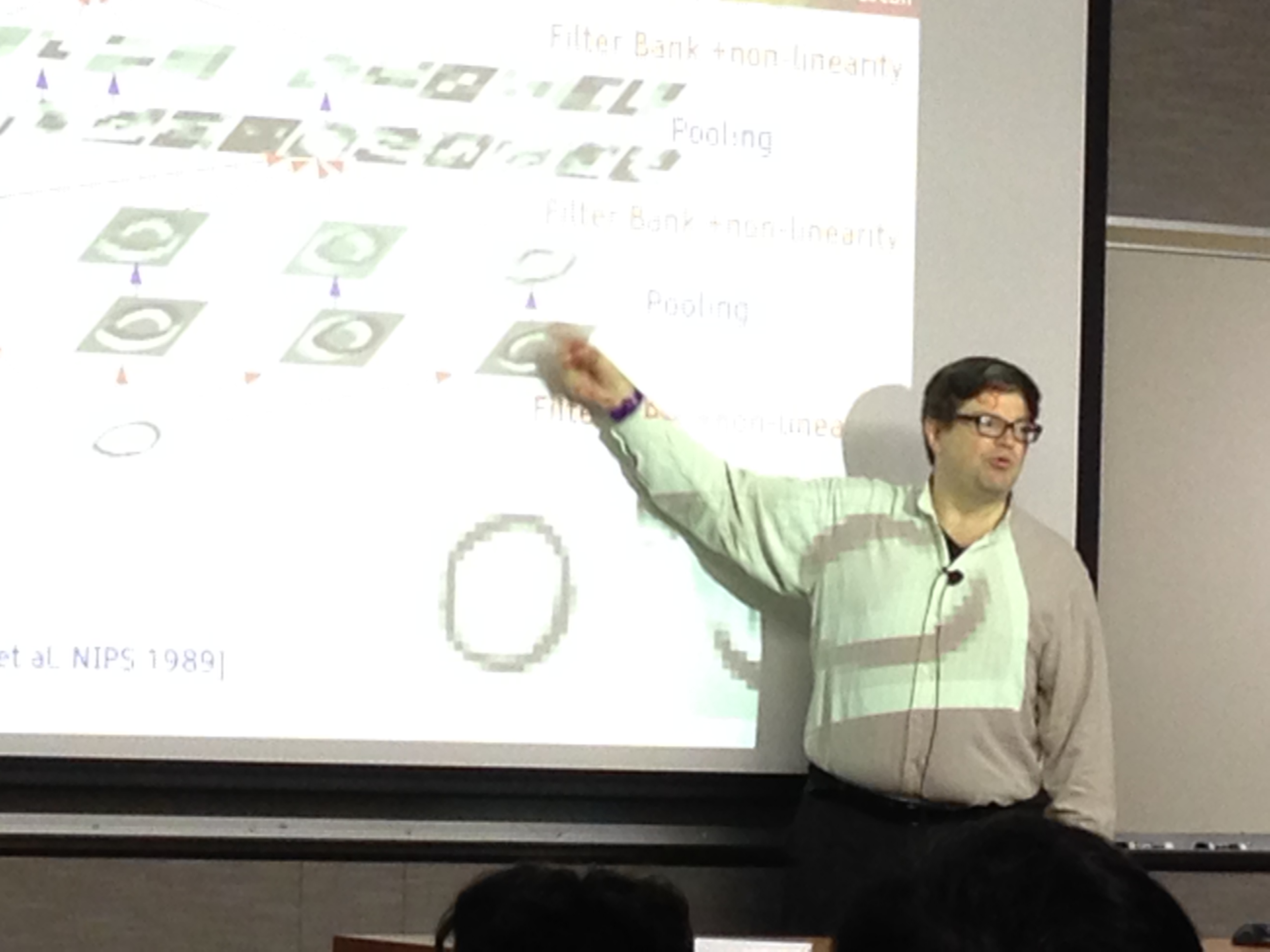
Yann LeCun lecturing at the University of Minnesota, October 2014

Photo: Runner1928 (Runner1928) / Wikimedia Commons — CC BY-SA 3.0. Original image file unchanged; display sizing, card cropping and CSS desaturation may apply. Display adaptations share the same license.

Artificial Intelligence · Published October 6, 2026

Yann LeCun

From homemade synthesizers and handwritten digits to world models: a life of building learning systems, sustaining collaborators, and testing convictions against evidence.

Why RACH recognizes Yann LeCun

For enabling advances in trainable computer vision, shared research resources and scientific communities, with credit to collaborators and clear limits on claims about future AI.

Read the full profile
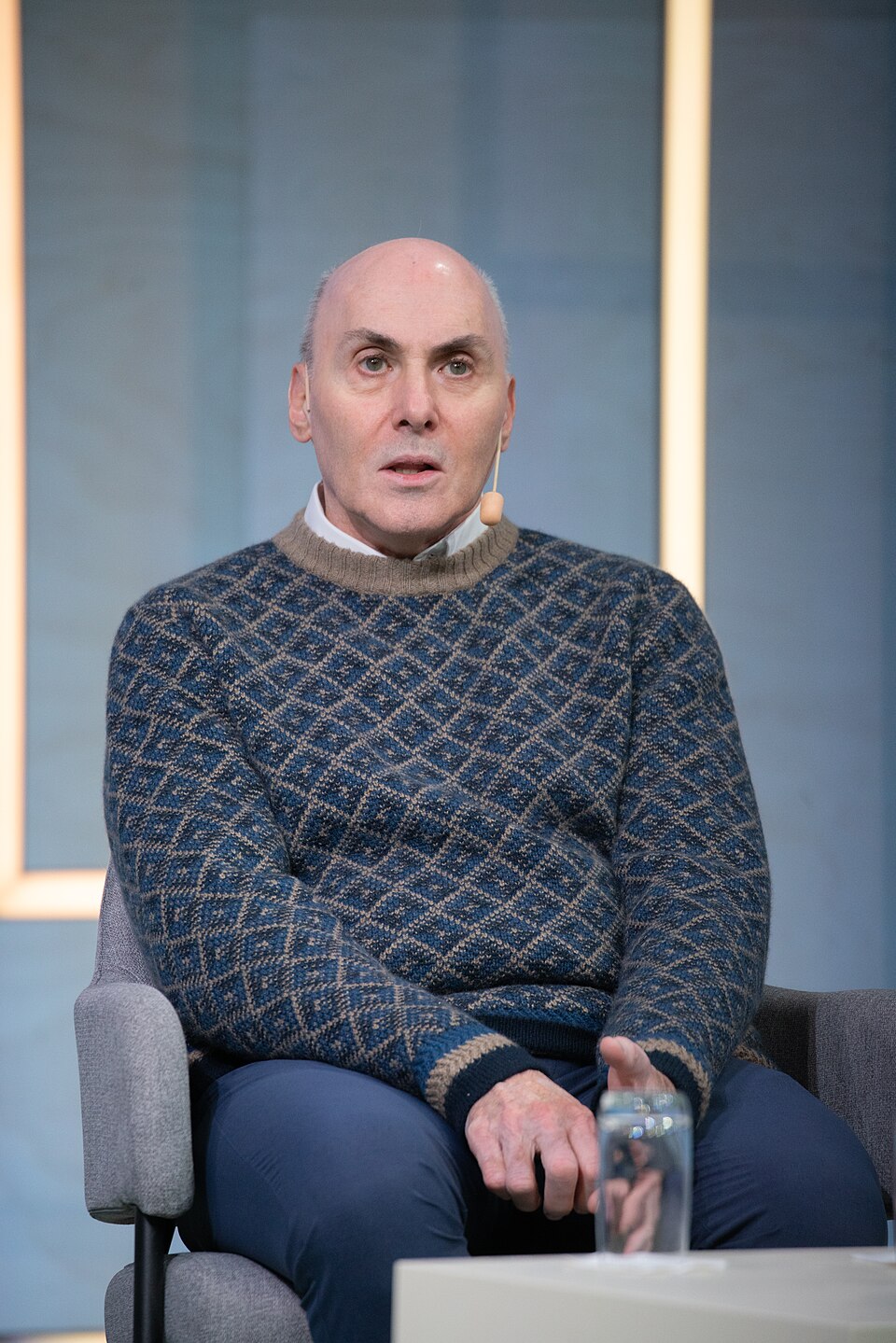
Drew Weissman at Nobel Week Dialogue, December 2024

Photo: John Sears (Johnsearsmedia) / Wikimedia Commons — CC BY-SA 4.0. Wikimedia 960-pixel resized version, downloaded unchanged. Slight desaturation and responsive cropping for display; these adaptations remain CC BY-SA 4.0. No AI reconstruction.

Longevity and Biotechnology · Published October 5, 2026

Drew Weissman

From hands-on curiosity and medical training to an unlikely RNA partnership, a global vaccine platform, and the unfinished work of access.

Why RACH recognizes Drew Weissman

For collaborative discoveries that helped make modified-mRNA vaccines practical, with shared credit for their clinical development and a clear distinction between established benefits and experimental ambitions.

Read the full profile
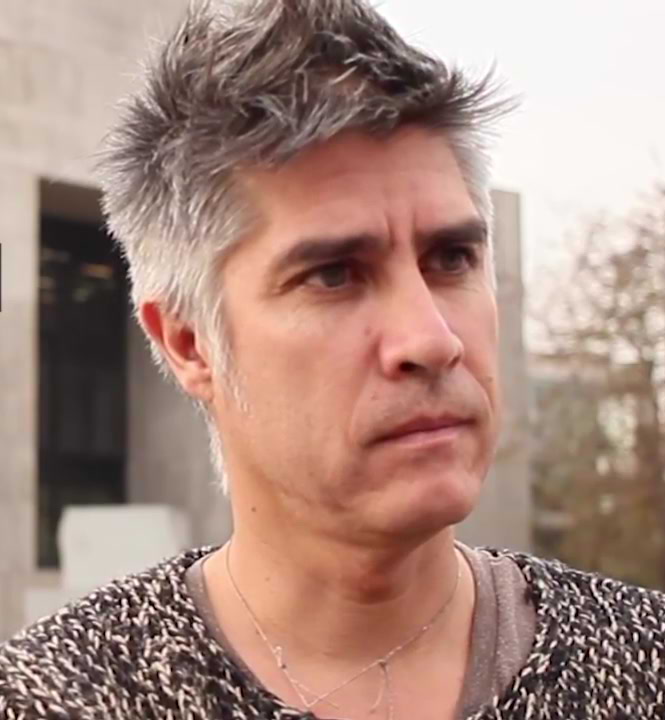
Alejandro Aravena in a 2015 Universidad Católica video

Photo: Centro de Políticas Públicas UC (Centro de Políticas Públicas UC) / Wikimedia Commons — CC BY 3.0. Still extracted from the 2015 university video; downloaded file unchanged. Slight desaturation and responsive cropping for display. No AI reconstruction.

Construction and Built Environment · Published October 4, 2026

Alejandro Aravena

From an interrupted early practice to incremental housing, disaster reconstruction, and an unfinished argument about what architects owe the people who live with their work.

Why RACH recognizes Alejandro Aravena

For collaborative work on housing that preserves access to the city and allows adaptation, and for bringing residents’ needs into architectural practice—while acknowledging costs, risks and mixed long-term outcomes.

Read the full profile
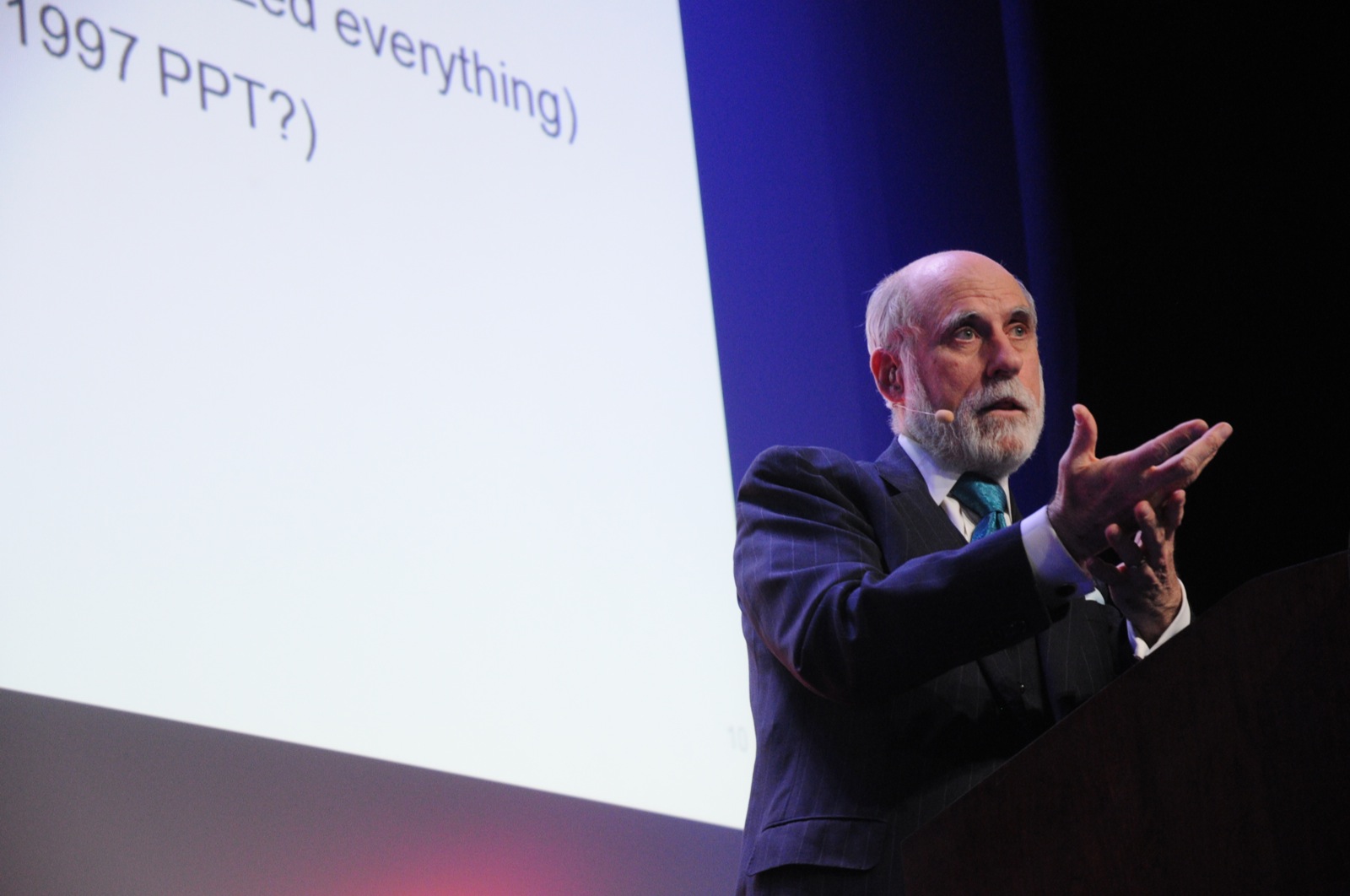
Vint Cerf speaking at Lift Conference in Geneva in 2009

Photo: Ivo Näpflin / Lift Conference (liftconference) / Wikimedia Commons — CC BY 2.0. Original file unchanged; slight desaturation and responsive cropping for display. No AI reconstruction.

Technology · Published October 3, 2026

Vint Cerf

From a teenage friendship and network-breaking experiments to TCP/IP, public institutions, space communications, and a new chapter in AI-agent accountability.

Why RACH recognizes Vint Cerf

For collaborative development of Internet architecture and protocols, and sustained work on institutions and access that make shared communication possible.

Read the full profile
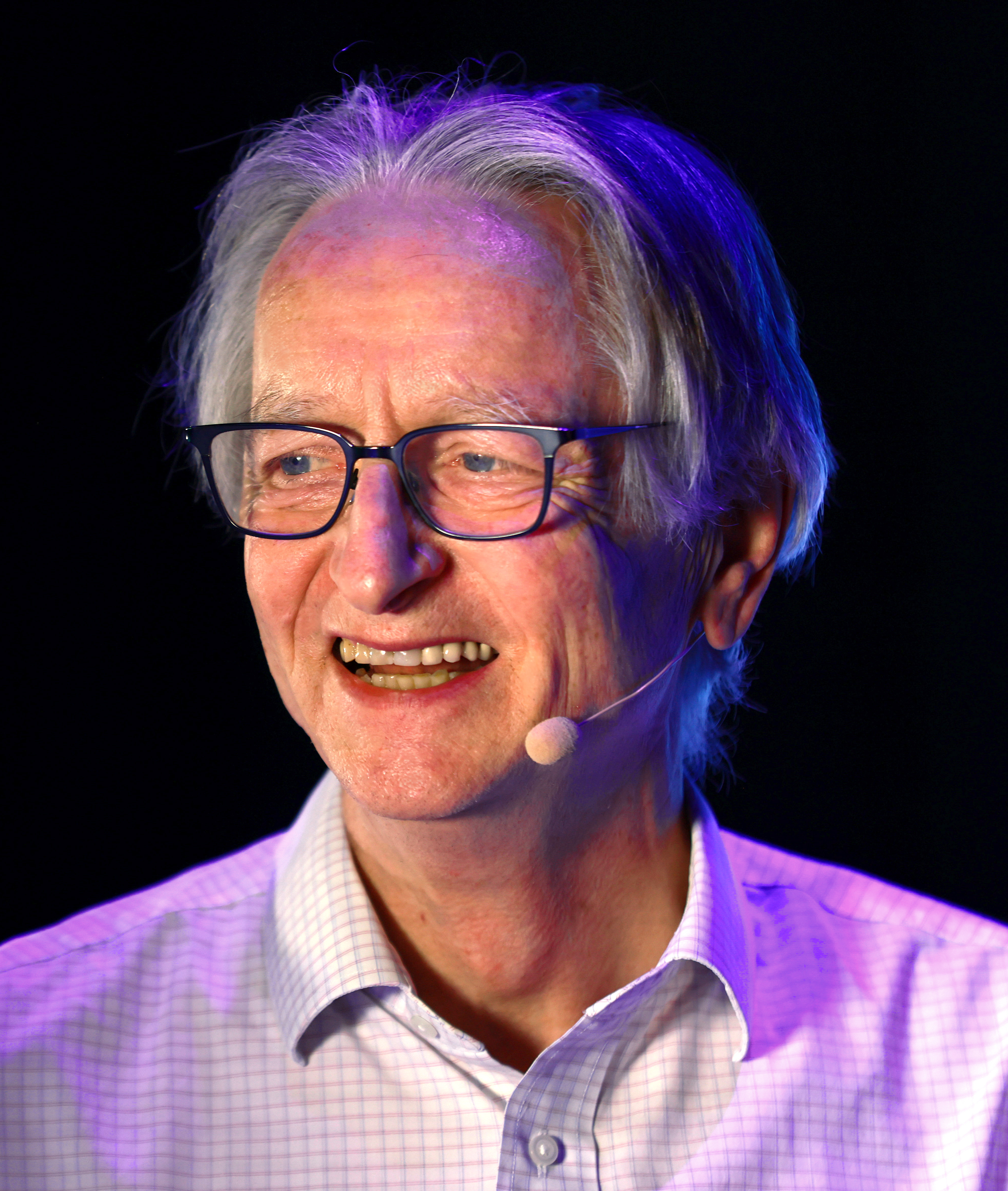
Geoffrey Hinton wearing glasses and a headset microphone at Collision 2024

Photo: Vaughn Ridley / Collision via Sportsfile (collisionconf) / Wikimedia Commons — CC BY 2.0. Existing crop and level/color adjustments by WikiPedant; file unchanged by RACH, with slight desaturation and responsive cropping for display. No AI reconstruction.

Artificial Intelligence · Published October 2, 2026

Geoffrey Hinton

From a detour into carpentry to the foundations of deep learning—and the unresolved responsibility of helping build a technology powerful enough to worry its pioneers.

Why RACH recognizes Geoffrey Hinton

For collaborative advances in learning representations, speech recognition and image classification, and for bringing the responsibilities of powerful AI into public debate.

Read the full profile
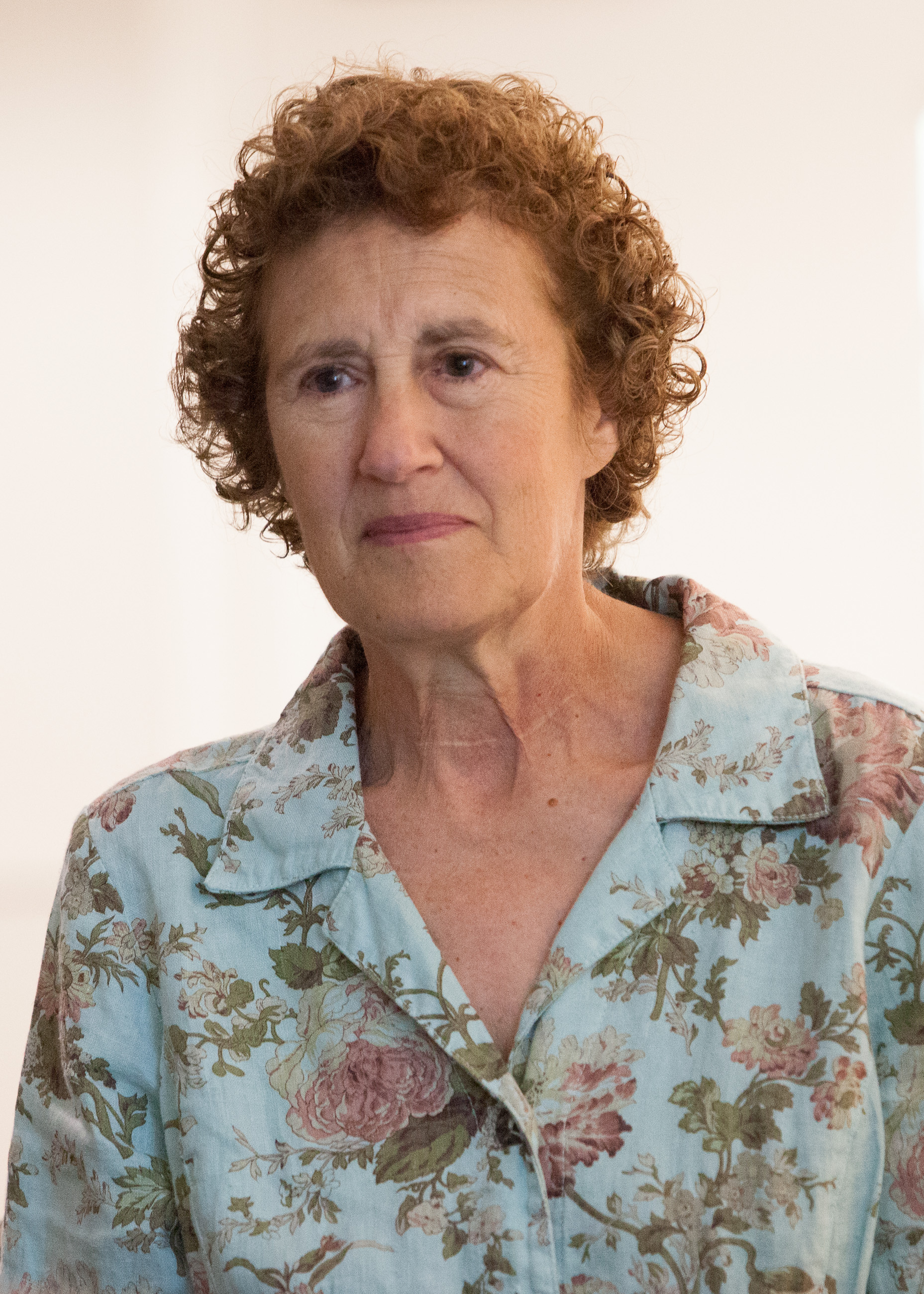
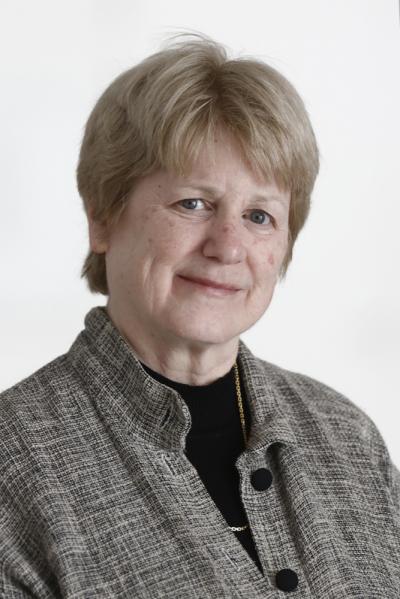
Mary-Claire King in a gray jacket against a light background

Photo: Uwe Dettmar/Paul-Ehrlich-Stiftung (original press credit) / Wikimedia Commons — Press image — no usage restrictions stated. Original photograph unchanged; slightly desaturated and responsively cropped for display by RACH. No AI reconstruction.

Longevity and Biotechnology · Published October 1, 2026

Mary-Claire King

A life connecting mathematics, inherited cancer, genetic counseling, and the search for identities stolen by a dictatorship—with the families and collaborators kept in view.

Why RACH recognizes Mary-Claire King

For establishing inherited breast-cancer susceptibility and applying genetic evidence to human rights, with families, counselors, and collaborating scientists central to the story.

Read the full profile
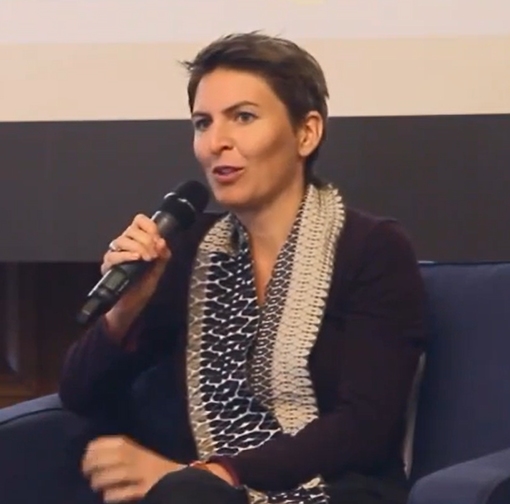
Anna Heringer seated and speaking into a microphone

Photo: Lightaspect, TU Wien, Architekturzentrum Wien (Lightaspect) / Wikimedia Commons — CC BY 3.0. Video still cropped by the Commons uploader; slightly desaturated and responsively cropped for display by RACH. No AI reconstruction.

Construction and the Built Environment · Published September 30, 2026

Anna Heringer

From a formative year in Bangladesh to schools, accessible spaces, textiles, and a continuing effort to make construction serve the people who build and use it.

Why RACH recognizes Anna Heringer

For collaborative educational, care, and working spaces that develop local skills and materials, with shared credit and clear limits on unmeasured outcomes.

Read the full profile
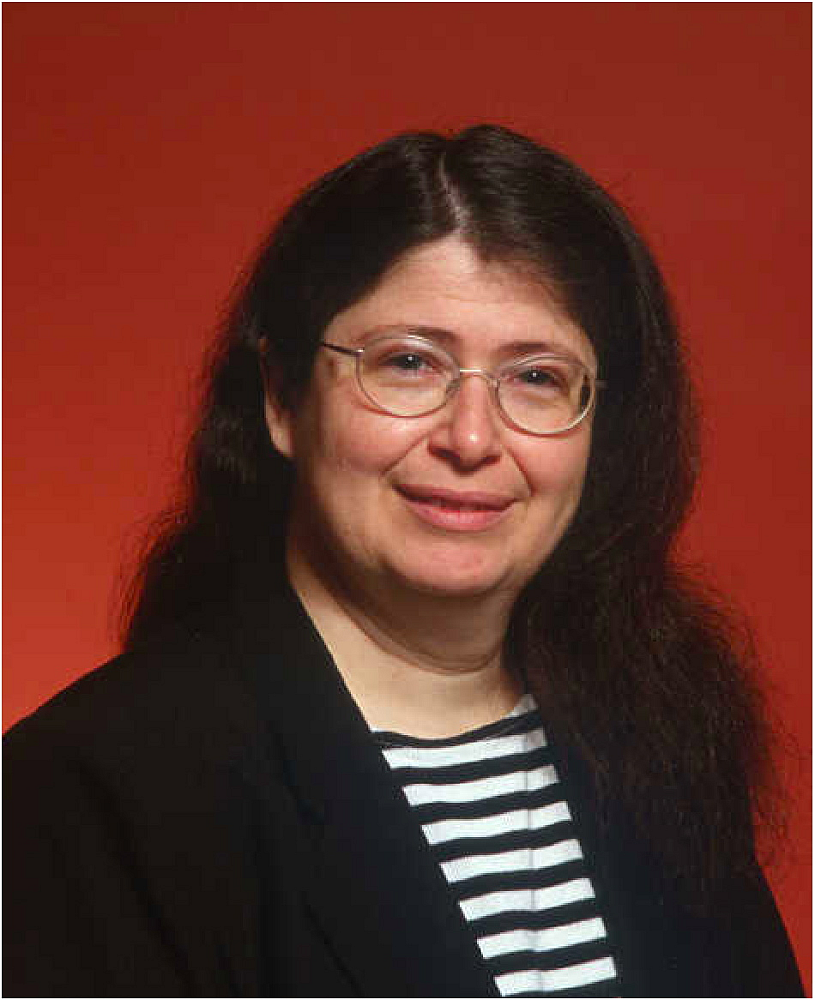
Portrait of Radia Perlman wearing glasses and a striped shirt

Photo: Intel Free Press (intelfreepress) / Wikimedia Commons — CC BY-SA 2.0. Cropped and slightly desaturated for display by RACH; the displayed adaptation remains under CC BY-SA 2.0.

Technology · Published September 29, 2026

Radia Perlman

From preschool programming and a poem about a tree to resilient networks, shared standards, and a continuing campaign against needless complexity.

Why RACH recognizes Radia Perlman

For contributions to resilient, manageable computer networks and technical education, with shared credit for standards, implementations, and the people who keep infrastructure working.

Read the full profile
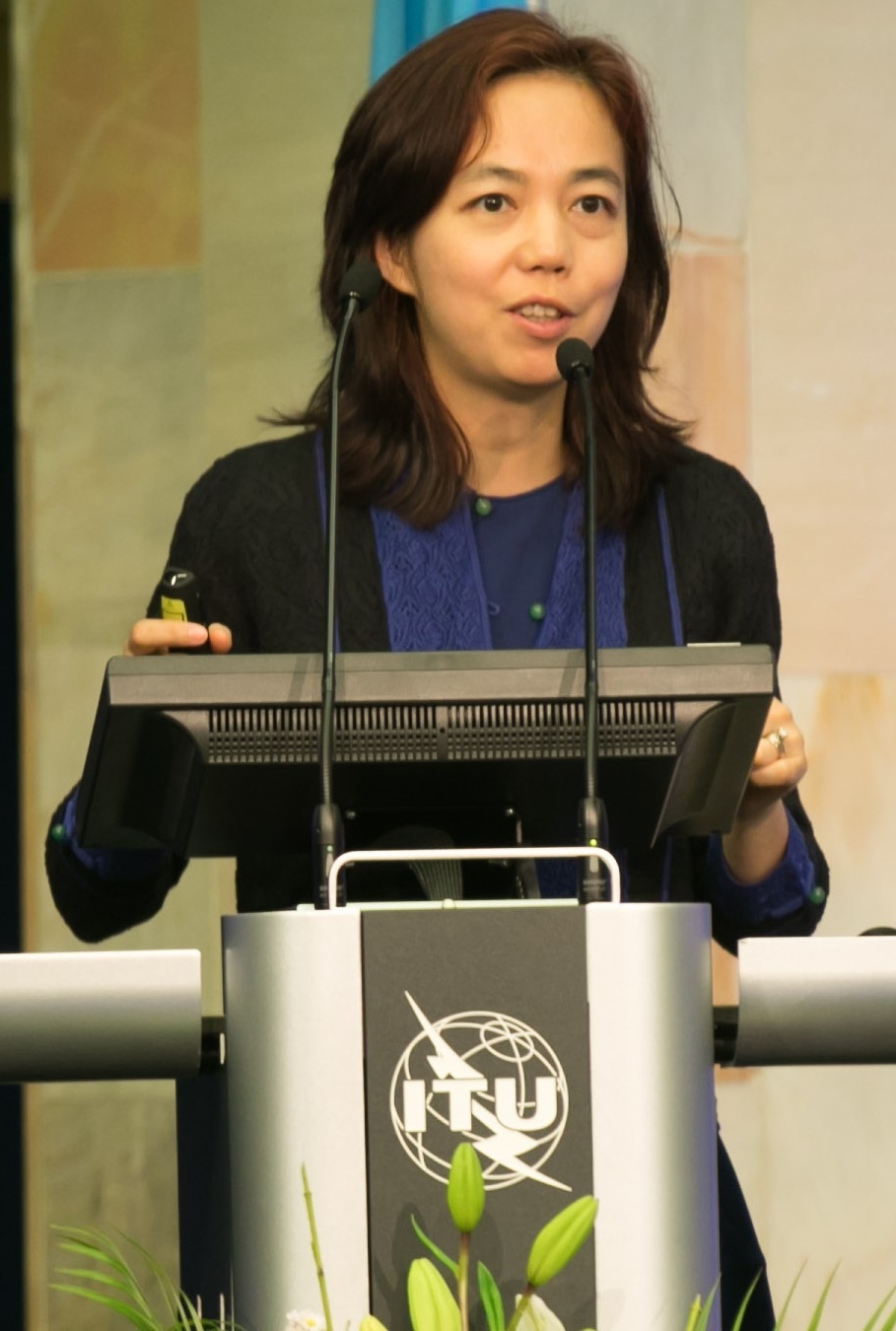
Fei-Fei Li speaking at an ITU lectern at AI for Good in 2017

Photo: ITU/R. Farrell (itupictures) / Wikimedia Commons — CC BY 2.0. Cropped by AT on Wikimedia Commons; further cropped and slightly desaturated for display by RACH.

Artificial Intelligence · Published September 28, 2026

Fei-Fei Li

From a family dry-cleaning shop to ImageNet, wider access to AI, and a new spatial-intelligence chapter—with the collaborators, controversies, and limits kept in view.

Why RACH recognizes Fei-Fei Li

For co-building shared foundations for visual AI research and broader educational participation, with credit to collaborators and clear scrutiny of bias, privacy, and unproven commercial claims.

Read the full profile
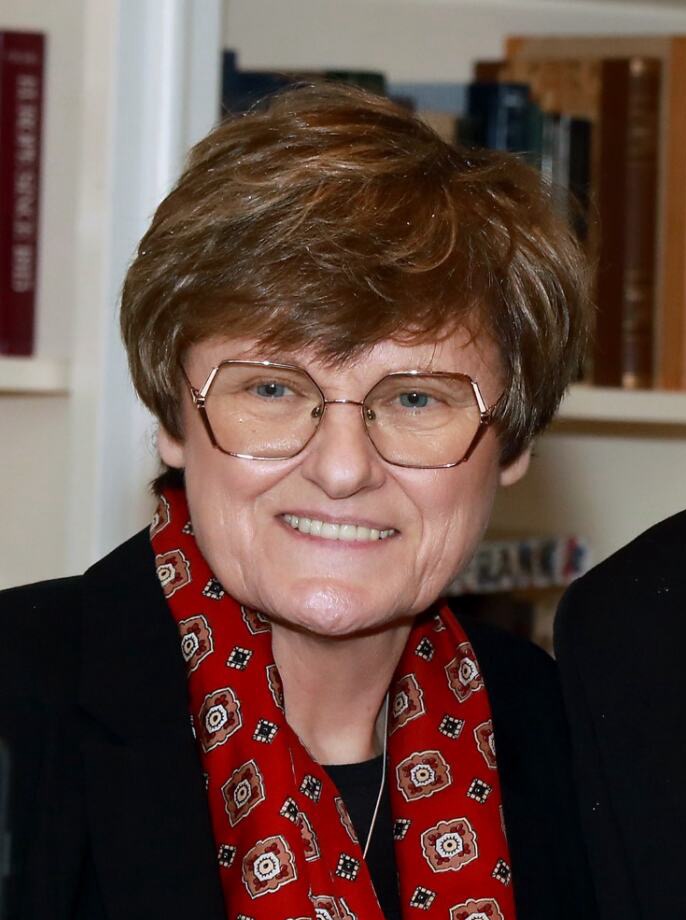
Katalin Karikó wearing glasses and a patterned red scarf at a 2023 Nobel reception

Photo: US Embassy Sweden (usembsweden) / Wikimedia Commons — CC BY 2.0. Cropped by Ooligan on Commons; further cropped and slightly desaturated for display by RACH.

Longevity and Biotechnology · Published September 27, 2026

Katalin Karikó

From everyday chemistry in Hungary to modified mRNA, a shared Nobel Prize, and a new research chapter whose promise still has to be tested.

Why RACH recognizes Katalin Karikó

For helping establish the modified-mRNA science that enabled effective vaccines, with credit to collaborators and a clear distinction between demonstrated medical benefit and new experimental ambitions.

Read the full profile
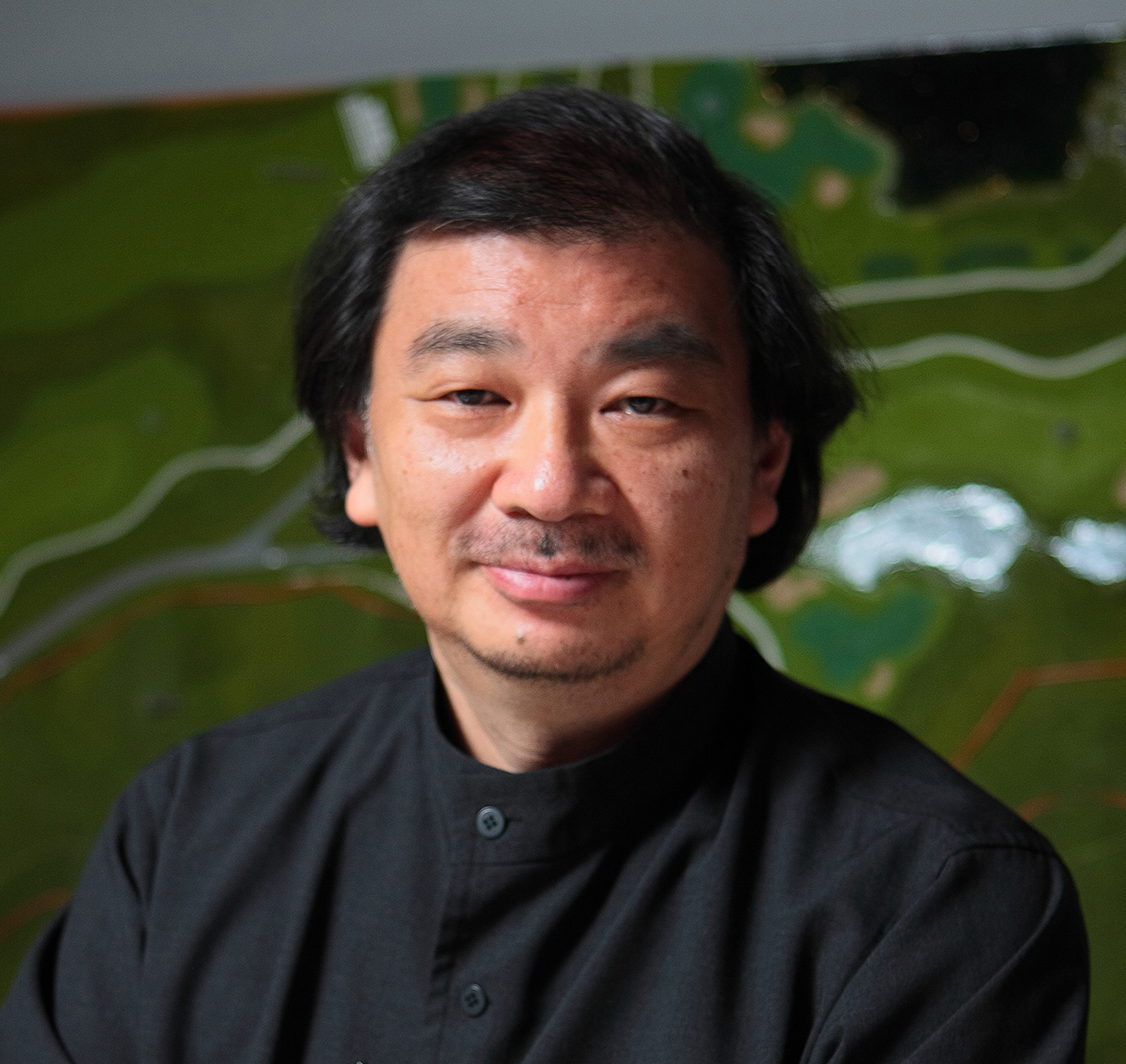
Shigeru Ban wearing a dark shirt, photographed in 2011

Photo: 準建築人手札網站 Forgemind ArchiMedia (eager) / Wikimedia Commons — CC BY 2.0. Cropped by Alonso de Mendoza on Commons; further cropped and slightly desaturated for display by RACH.

Construction and the Built Environment · Published September 25, 2026

Shigeru Ban

From a Tokyo carpenter's offcuts to paper houses, public museums, and the unfinished responsibility of designing for people displaced by disaster.

Why RACH recognizes Shigeru Ban

For expanding architectural attention to shelter, privacy, and community life after disaster, through material experimentation and collaboration with engineers, local teams, volunteers, and residents.

Read the full profile
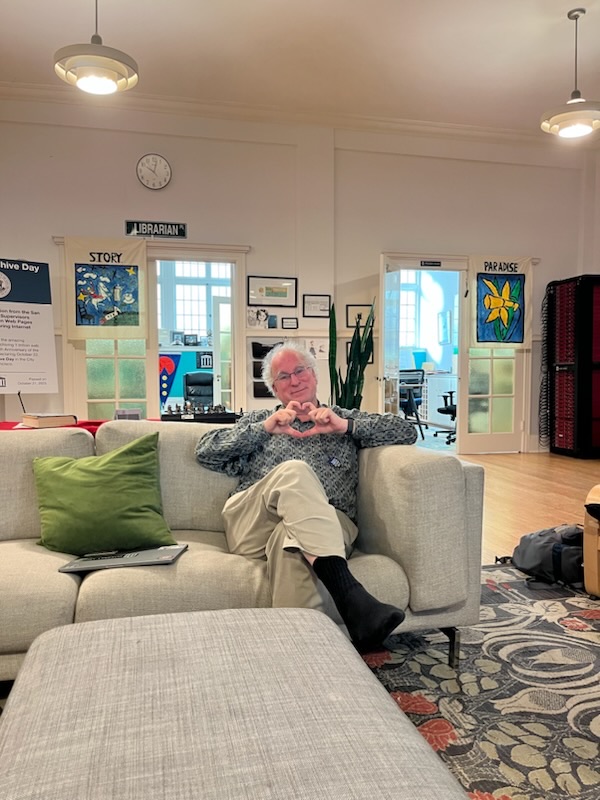
Brewster Kahle seated on a sofa, making a heart shape with his hands

Photo: Crunchydillpickle (Crunchydillpickle) / Wikimedia Commons — CC BY-SA 4.0. Original file; cropped and slightly desaturated for display by RACH. Display adaptation licensed CC BY-SA 4.0.

Technology · Published September 24, 2026

Brewster Kahle

From switches and lights to networked search, a book-making van, and the unfinished work of preserving public memory.

Why RACH recognizes Brewster Kahle

For helping build shared infrastructure that preserves digital culture and makes sources accessible to readers, researchers, and libraries—with credit to the teams and communities behind it.

Read the full profile
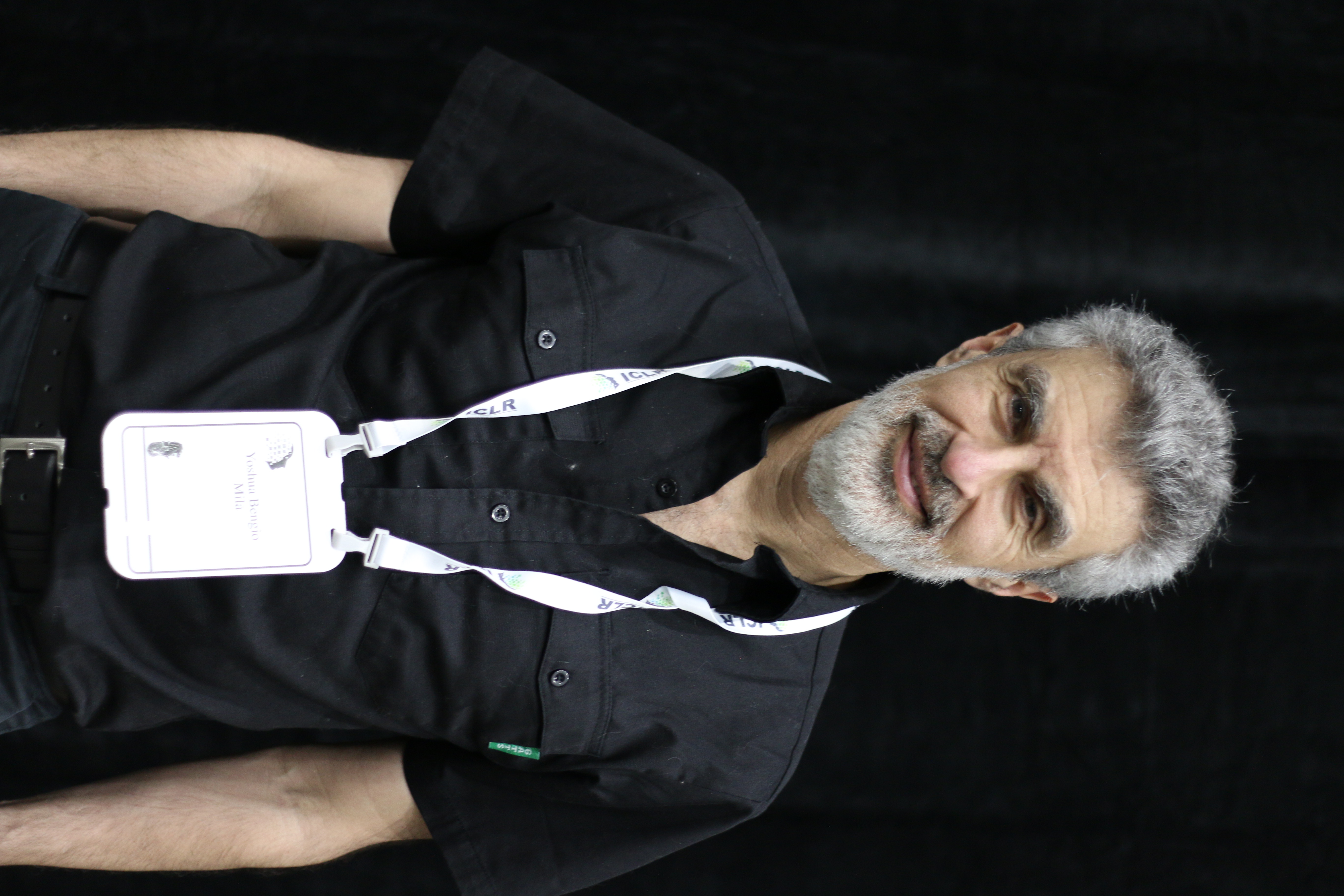
Yoshua Bengio wearing a black shirt and conference lanyard at ICLR 2025

Photo: Xuthoria (Xuthoria) / Wikimedia Commons — CC BY-SA 4.0. Original file; cropped and slightly desaturated for display by RACH. Display adaptation licensed CC BY-SA 4.0.

Artificial Intelligence · Published September 22, 2026

Yoshua Bengio

From two brothers programming home computers to neural-network breakthroughs, Montreal's research community, and a new effort to make AI safer.

Why RACH recognizes Yoshua Bengio

For shared advances in learning representations, neural language modeling, attention and generative models, and for research tools, teaching, and institution-building—not for a proven guarantee of safe AI.

Read the full profile
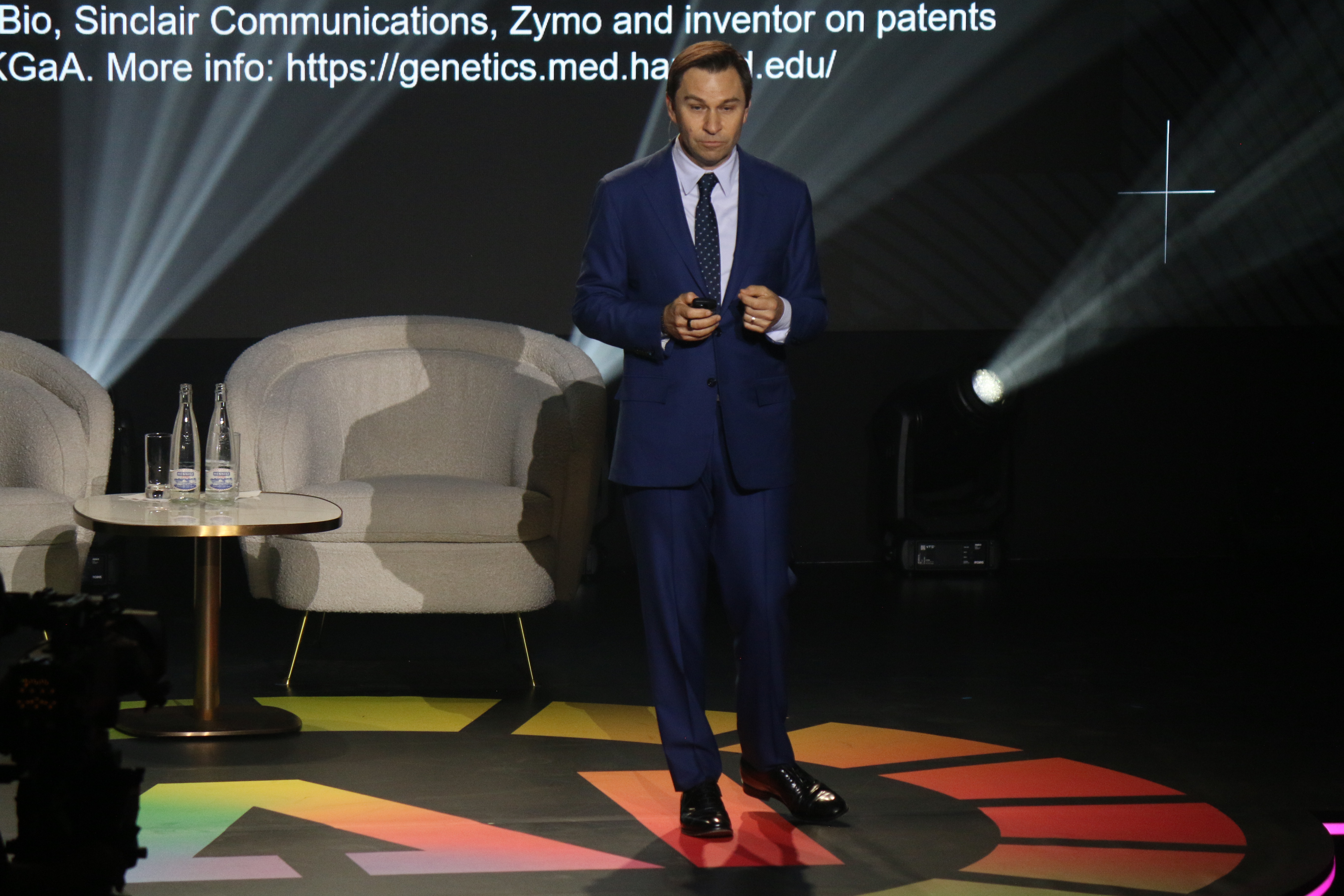
David Sinclair in a blue suit speaking onstage at the 2025 AI for Good Summit

Photo: Xuthoria (Xuthoria) / Wikimedia Commons — CC BY-SA 4.0. Original file; cropped and slightly desaturated for display by RACH. Display adaptation licensed CC BY-SA 4.0.

Longevity and Biotechnology · Published September 20, 2026

David Sinclair

From a failed aquaculture venture to yeast genetics, disputed breakthroughs, and an early human eye trial: a life at the boundary between scientific possibility and proof.

Why RACH recognizes David Sinclair

For contributions to experimental aging research, cellular reprogramming, and research tools and teams—not for a proven cure for human aging or an endorsement of commercial products.

Read the full profile
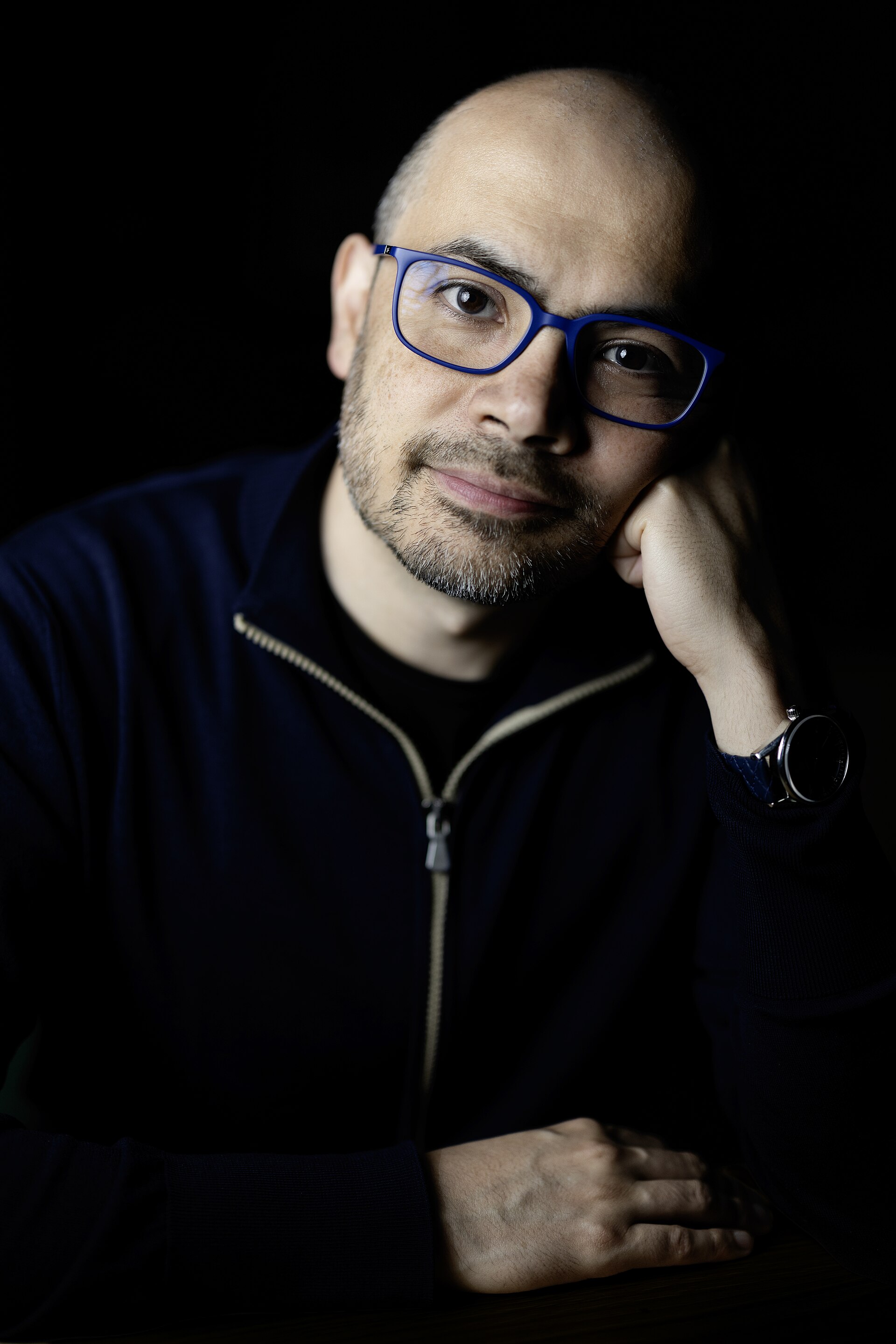
Demis Hassabis seated against a dark background, wearing blue-framed glasses

Photo: Christopher P. Michel (Cmichel67) / Wikimedia Commons — CC BY-SA 4.0. Wikimedia-resized copy; cropped and slightly desaturated for display by RACH.

Artificial Intelligence · Published August 28, 2026

Demis Hassabis

From a chessboard in North London to the protein structures of life, Hassabis has spent four decades treating intelligence as something that can be studied, built, tested, and turned toward science.

Why RACH recognizes Demis Hassabis

For helping build and lead the teams behind AlphaGo and AlphaFold—and for helping turn advances in artificial intelligence toward scientific discovery. The achievement is shared, and its future promises remain subject to evidence.

Read the full profile

Our editorial promise

Critical admiration.

Truth before promotion.
Selection begins with interest, but the evidence determines the story.

People in full.
We cover origins, work, failure, collaboration, criticism, and the present chapter.

Transparent sourcing.
Profiles show their reporting cutoff, interview status, sources, disclosures, and correction route.